
Pet Food OEM Process
A controlled route from project brief to repeat order.
Each stage records responsibilities, acceptance criteria, commercial assumptions and approved decisions for the product and destination market.
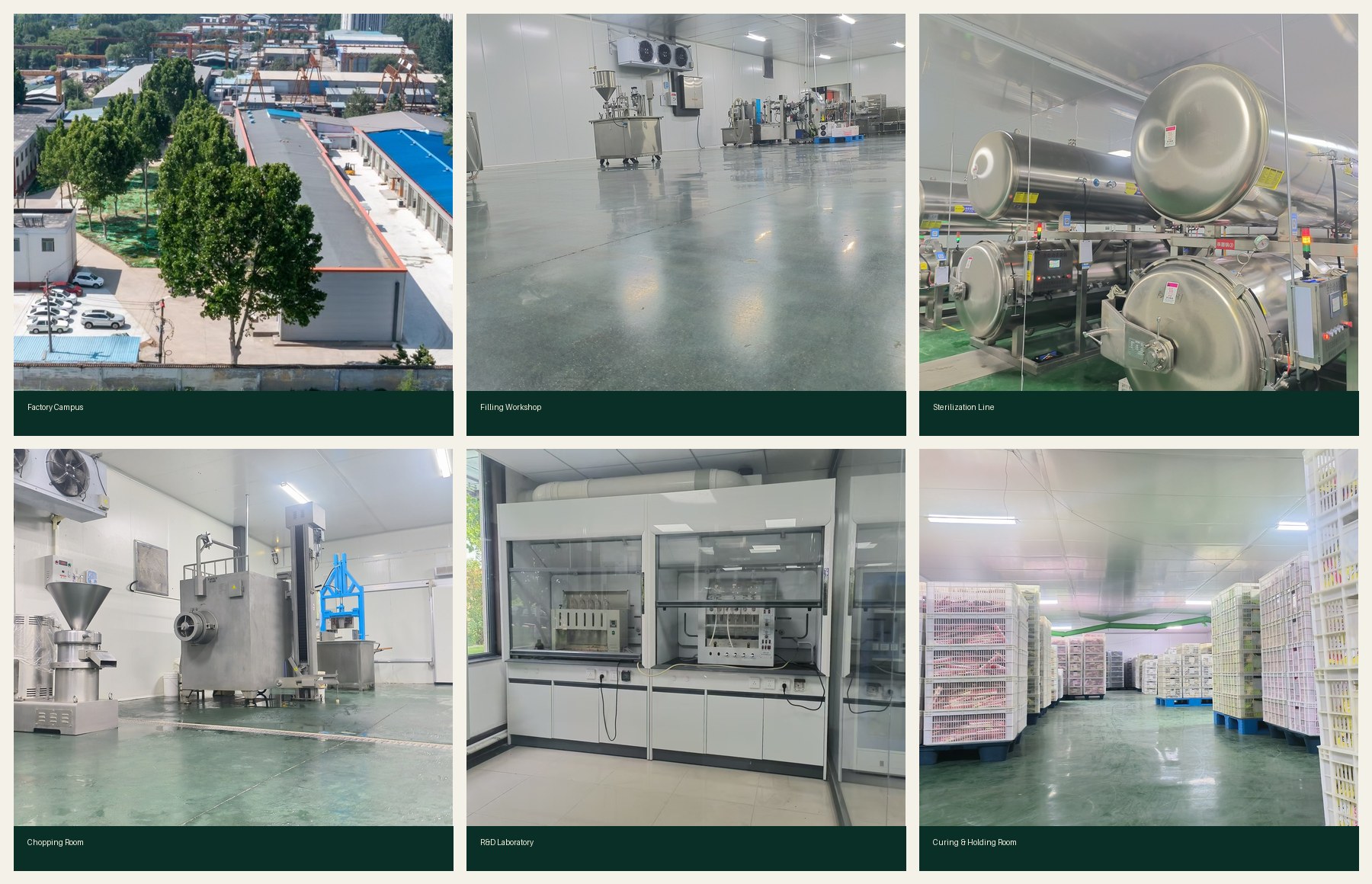
Project process
How does a pet food OEM project progress?
The usual sequence is brief confirmation, feasibility review, commercial assumptions, sample development, specification and packaging approval, pilot or first-order validation, production, shipment and repeat-order control. The exact route depends on the product, manufacturing process, destination market and agreed responsibilities. Key decisions, acceptance criteria and changes are recorded in writing. Production does not begin from a website description alone: formula, evidence, quality requirements, legal manufacturer, price, minimum order quantity, lead time and delivery terms must first be confirmed for the project.
01 Project brief and confidentiality
Confirm the company, target market, authorised benchmark, product direction, forecast, target cost, packaging and timing.
Aumeats confirms the required information, project route and any confidentiality agreement.
02 Feasibility and production-base review
Assess process route, capacity, principal risks, document requirements, sample plan and indicative MOQ.
The initial assessment records the proposed production route and next decision gate.
03 Sample development and approval
Develop defined prototype rounds and record structured feedback.
Approve measurable product characteristics before specification lock.
04 Specification and commercial confirmation
Confirm formula version, product specification, packaging, artwork and tests.
Price basis, lead time, responsibilities and commercial terms are confirmed in writing.
05 Production, quality and shipment release
Control materials, process, inspection, testing and batch records.
Complete the agreed export documents and logistics milestones before release.
06 Repeat-order and range management
Review forecast, performance feedback, cost drivers and change control.
Manage corrective actions, repeat orders and range extensions through the same project record.